English
  日本語
日本語  Deutsch
  Español




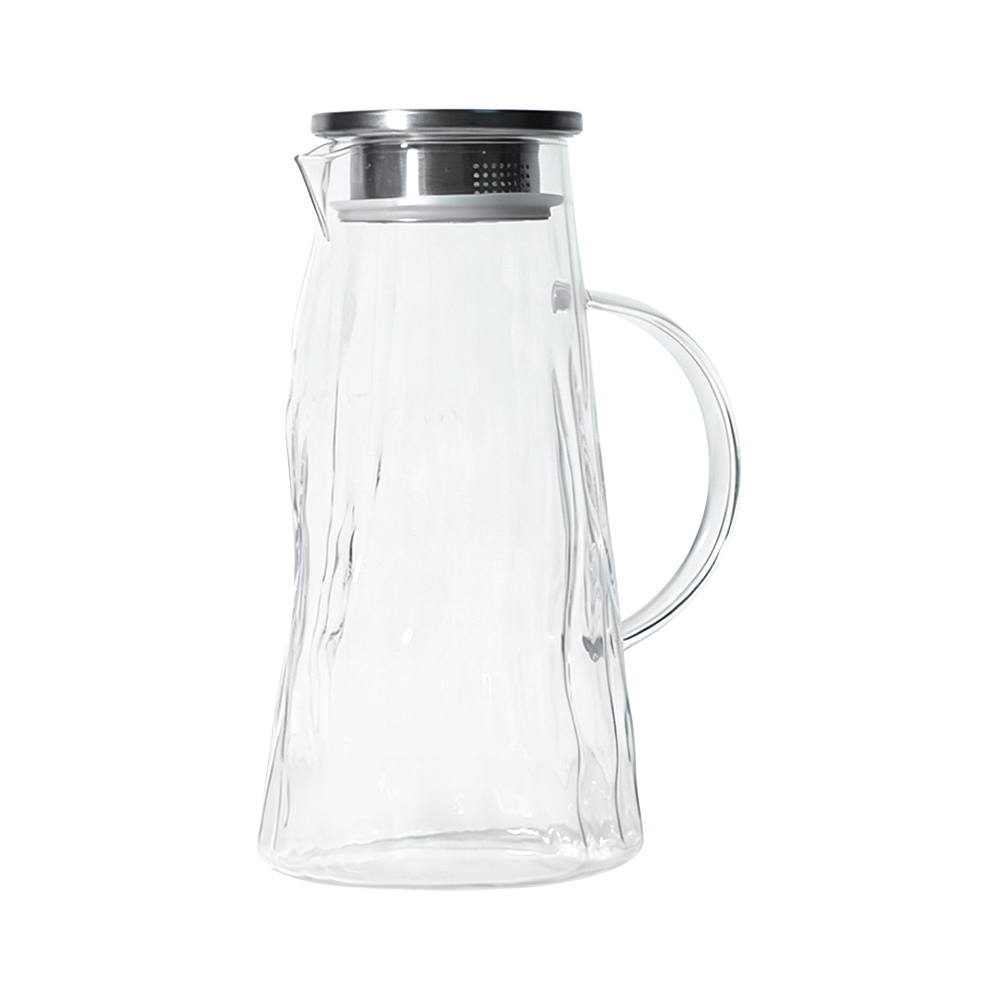
Wasserkocher aus Borosilikatglas
DX250417015
Inhalt
Die Pfefferstreuer haben normalerweise mehr Löcher als Salzstreuer . Bei einem in Nordamerika verkauften Standardset trägt der Salzstreuer ein oder zwei kleine Löcher, während der Pfefferstreuer drei, vier oder sogar fünf hat. Dies ist kein Konstruktionsunfall. Die Anzahl der Öffnungen wird durch das physikalische Fließverhalten der beiden Gewürze bestimmt und durch jahrzehntelange Küchengewohnheiten verstärkt. (Quelle: Wikipedia, „Salz- und Pfefferstreuer“.)
Salzkristalle sind fein, schwer und frei fließend, sodass sie leicht durch eine winzige Öffnung gegossen werden können. Gemahlener Pfeffer ist gröber, leichter und weniger gleichmäßig; Die Partikel bleiben aneinander hängen und benötigen einen breiteren Austritt. Salz begrenzt sich; Pfeffer braucht Hilfe. Deshalb verleiht ein herkömmliches zweiteiliges Set Pfeffer zwei oder drei zusätzliche Löcher.
In Teilen Europas weist die gleiche Logik in die andere Richtung. Da Pfeffer historisch gesehen ein seltenes und teures Gewürz war, hatte der Pfefferstreuer weniger Löcher, sodass das teure Gewürz sparsam herauskam, während Salz die breiteren Öffnungen erhielt. Die rule is regional, not universal. Die rest of this article explains the physics, the history, the exceptions, and what to check before buying a set.
Salz ist das leichter zu schüttelnde Gewürz. Speisesalz besteht aus kleinen, kompakten Kristallen mit einer Dichte von etwa 2,16 Gramm pro Kubikzentimeter. Die Kristalle verhalten sich fast wie feiner Sand: Sie fallen direkt durch eine Öffnung, kleben nicht aneinander und verstopfen selten. Damit das Speisesalz gleichmäßig fließt, reicht ein Loch von etwa 1,5 bis 2 Millimetern Durchmesser, weshalb ein Einloch- oder Zweiloch-Salzverschluss perfekt funktioniert.
Gemahlener schwarzer Pfeffer ist ein anderes Material. Die Partikel sind unregelmäßig, faserig und leicht ölig und weisen eine viel geringere Schüttdichte auf. Wenn Sie eine Pfefferkappe schütteln, verzahnen sich die Partikel und bilden einen flachen Bogen über dem Loch. Der Bogen blockiert den Fluss, bis die Kraft der Erschütterung ihn unterbricht. Dieser Effekt wird Bridging genannt und ist der Hauptgrund dafür, dass Paprikakapseln mehr Öffnungen haben: Jedes zusätzliche Loch gibt der Paprika mehr Chancen, sich zu lösen und herauszufallen.
Stellen Sie sich eine Kappe mit einem 3-Millimeter-Loch vor. Ein paar Pfefferkörner fallen durch, dann verschließen sich die restlichen Körner über der Öffnung. Sie schütteln stärker, ein Klumpen fällt heraus und der Zyklus wiederholt sich. Das Ergebnis ist eine ungleichmäßige Würze: mal nichts, dann plötzlich ein Haufen. Eine Pfefferkappe mit vier Löchern verteilt die gleichen Partikel auf viele kleinere Öffnungen, sodass der Fluss gleichmäßig bleibt und Sie einen Teller in zwei oder drei gleichmäßigen Schüttelbewegungen würzen können.
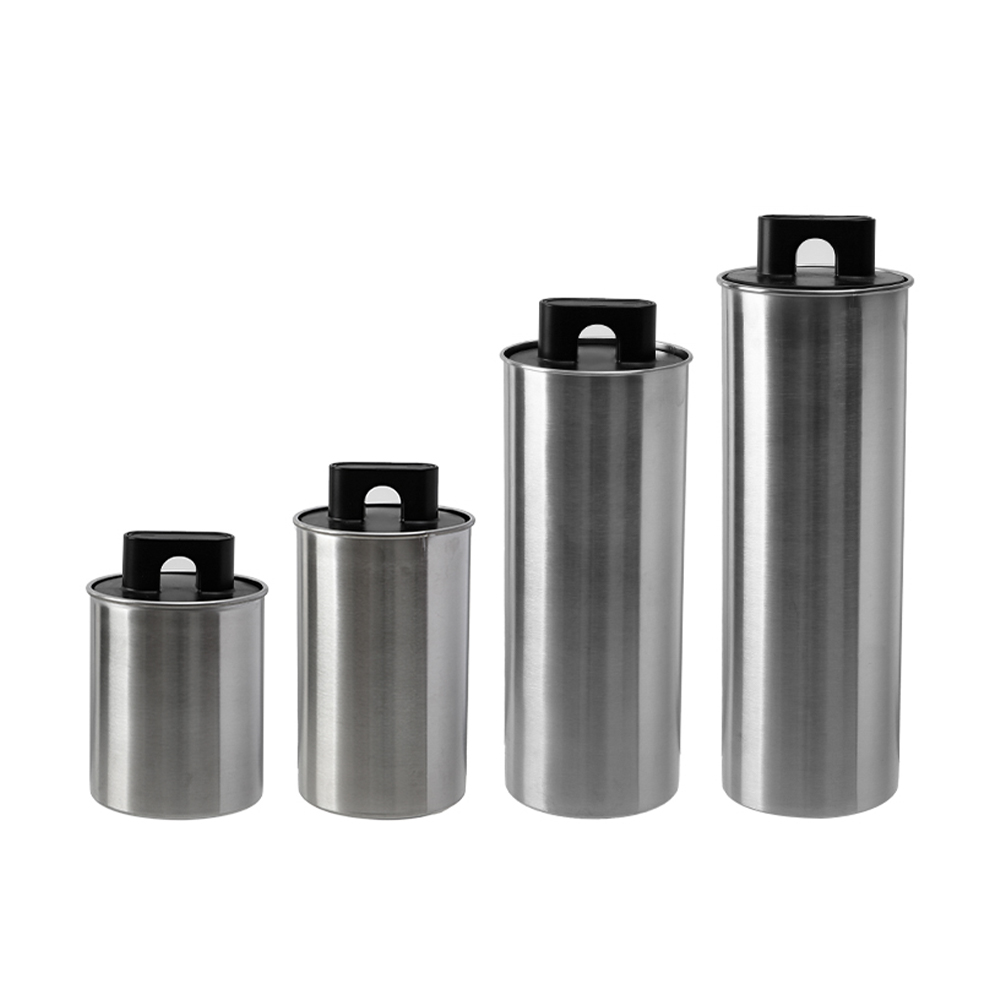
Vorgemahlener Pfeffer fließt besser als gebrochener Pfeffer, da die Partikel gleichmäßiger sind, verliert aber schnell an Aroma. Viele Hobbyköche bewahren mittlerweile ganze Pfefferkörner auf und mahlen sie am Tisch. Bei einer Handmühle benötigen Sie überhaupt keine Löcher, weshalb a Manuelle Gewürzmühle aus Edelstahl löst das Fließproblem vollständig: Der Pfeffer kommt bereits gemahlen heraus, ohne dass sich der Deckel verstopft und keine Brücken entstehen.
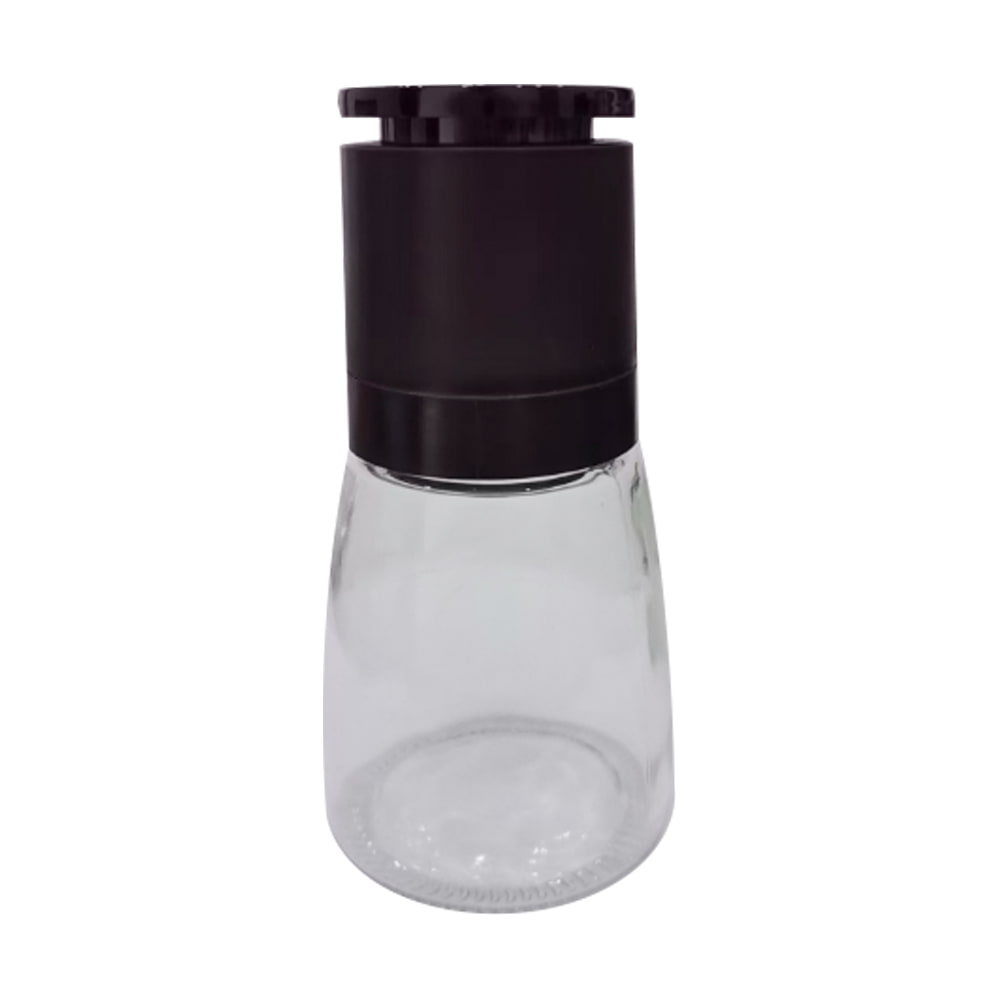 Kundenspezifische manuelle Gewürzmühlen aus Edelstahl, Lieferanten, OEM/ODM-Unternehmen – Yangzho Yangzhou New Coordinate Household Articles Co., Ltd ist ein chinesischer OEM/ODM-Lieferant für manuelle Gewürzmühlen aus Edelstahl und kundenspezifische ... Produkt anzeigen →
 In den Vereinigten Staaten hat der Salzstreuer fast immer weniger Löcher. Der Grund ist gesundheitsorientiert: Da übermäßiger Salzkonsum mit Bluthochdruck verbunden ist, haben amerikanische Hersteller und Familien bewusst eine kleinere Öffnung gewählt, um zu begrenzen, wie viel Salz auf die Lebensmittel gelangt. Die fewer the holes, the slower the salt.
In Teilen Europas herrscht die gegenteilige Konvention. Pfeffer war in der Vergangenheit selten und teuer, daher wurde der Pfefferstreuer mit weniger Löchern versehen, damit ein wertvolles Gewürz länger haltbar ist. Das Salz- und Pfefferstreuer-Museum in Gatlinburg, Tennessee, bringt es auf den Punkt: „Die Anzahl der Löcher in Salz- und Pfefferstreuern variiert je nach Kultur, Gesundheit und Geschmack.“ (Quelle: The Salt and Pepper Shaker Museum, „Die am häufigsten gestellte Frage“.)
Diere is also a folk mnemonic: pepper is a longer word than salt, so pepper gets more holes. St. Louis Magazine's food column "Ask George" records this exact argument from readers: "There are more holes for pepper, because pepper is a longer word than salt." It is a convenient memory aid, but it works only on sets made in the American tradition. On European sets, the mnemonic leads you to the wrong answer, which is why you should never rely on hole count alone.
Die most reliable indicator is not the number of holes but the letters printed or engraved on the cap or body. A "S" means salt, a "P" means pepper, and that is the end of the debate. When the set has no letters, use the table below to rank the common identification methods.
| Method | Worauf Sie achten sollten | Zuverlässigkeit |
|---|---|---|
| Buchstaben S und P | Auf der Kappe oder Seite eingraviert, bedruckt oder geprägt | Hoch |
| Zählen der Löcher | Weniger Löcher bedeuten bei amerikanischen Sets normalerweise Salz; Viele europäische Sets sind umgekehrt | Mittel |
| Gewicht im gefüllten Zustand | Die filled salt shaker feels noticeably heavier because salt is denser | Mittel |
| Position auf dem Tisch | Bei der klassischen Etikette steht rechts Pfeffer und links Salz | Niedrig |
| Farbe und Form | Weißer oder kurzer Körper bedeutet oft Salz; dunkler oder hoher Körper bedeutet oft Pfeffer | Niedrig |
Wenn das Set völlig unmarkiert ist und die Anzahl der Löcher identisch ist, ist die schnellste Überprüfung ein kleiner Geschmackstest. Geben Sie ein paar Körner auf Ihre Handfläche und berühren Sie sie mit Ihrer Zunge. Salz schmeckt scharf und sofort erkennbar; Pfeffer bringt Wärme und ein leichtes Brennen. Der Geschmack übertrifft jedes Mal Vermutungen.
Die "pepper has more holes" rule is a strong default, but it is not a law. Restaurants, vintage sets, and modern custom designs all produce exceptions. Knowing them prevents you from guessing wrong at someone else's table.
Die practical lesson: treat hole count as a default, then confirm with letters or a taste test. Ein Hersteller kann problemlos ein Set mit zwei Löchern auf beiden Seiten entwerfen oder sogar mehr Löcher auf der Salzseite anbringen, je nach Zielmarkt und der Art von Salz und Pfeffer, die der Käufer verwenden möchte.
Ein Deckel, der bei feinem Speisesalz funktioniert, kann bei grobem Meersalz völlig versagen. Der richtige Ansatz besteht darin, den Shaker an die Mahlgröße anzupassen und nicht an eine feste Tradition.
Ein konkretes Beispiel: Eine Familie, die mit vorgemahlenem Pfeffer kocht und Salz reduzieren möchte, sollte einen 4-Loch-Pfefferdeckel und einen 1-Loch-Salzdeckel kaufen. Ein Restaurant, das Steaks serviert und grobes Salz verwendet, sollte die Logik umkehren: Geben Sie dem Salz eine 4-Loch-Kappe und lassen Sie den Pfeffer fein gemahlen mit einer 3-Loch-Kappe. Die correct answer depends on what you actually pour, not on the label tradition.
Salz ist hygroskopisch: Es entzieht der Luft Wasser, verklumpt und weigert sich dann, durch das winzige Loch zu fließen, das Sie so sorgfältig ausgewählt haben. Pfeffer hat die gegenteilige Anfälligkeit: Sein Aroma stammt von ätherischen Ölen, die bei Licht- und Lufteinwirkung schnell verblassen. Deshalb ist der Vorratsbehälter genauso wichtig wie der Shakerdeckel.
Luftdichte Gläser schützen beide Gewürze besser vor Feuchtigkeit und Licht als Plastiktüten oder offene Schüsseln. Für einen tieferen Einblick, warum Glas anderen Materialien in der Küche überlegen ist, lesen Sie mehr über Vorteile von Vorratsgläsern aus Glas .
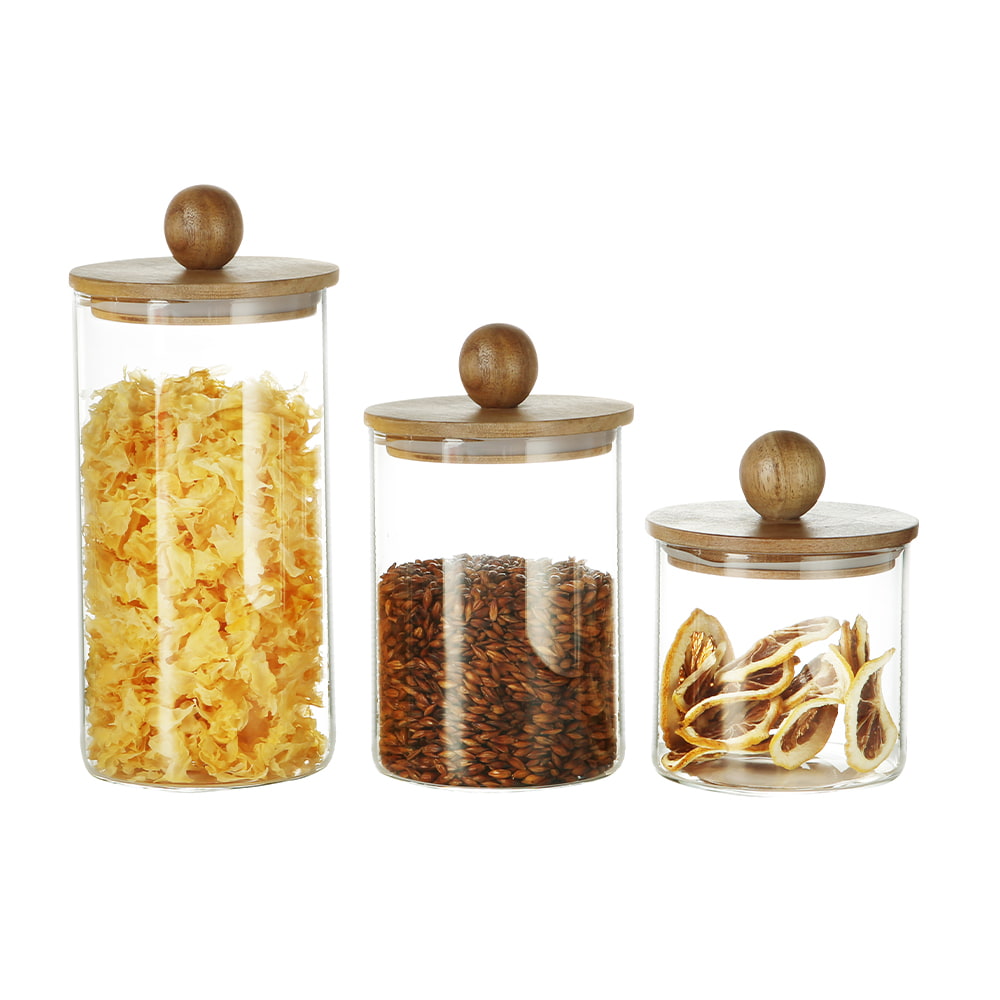
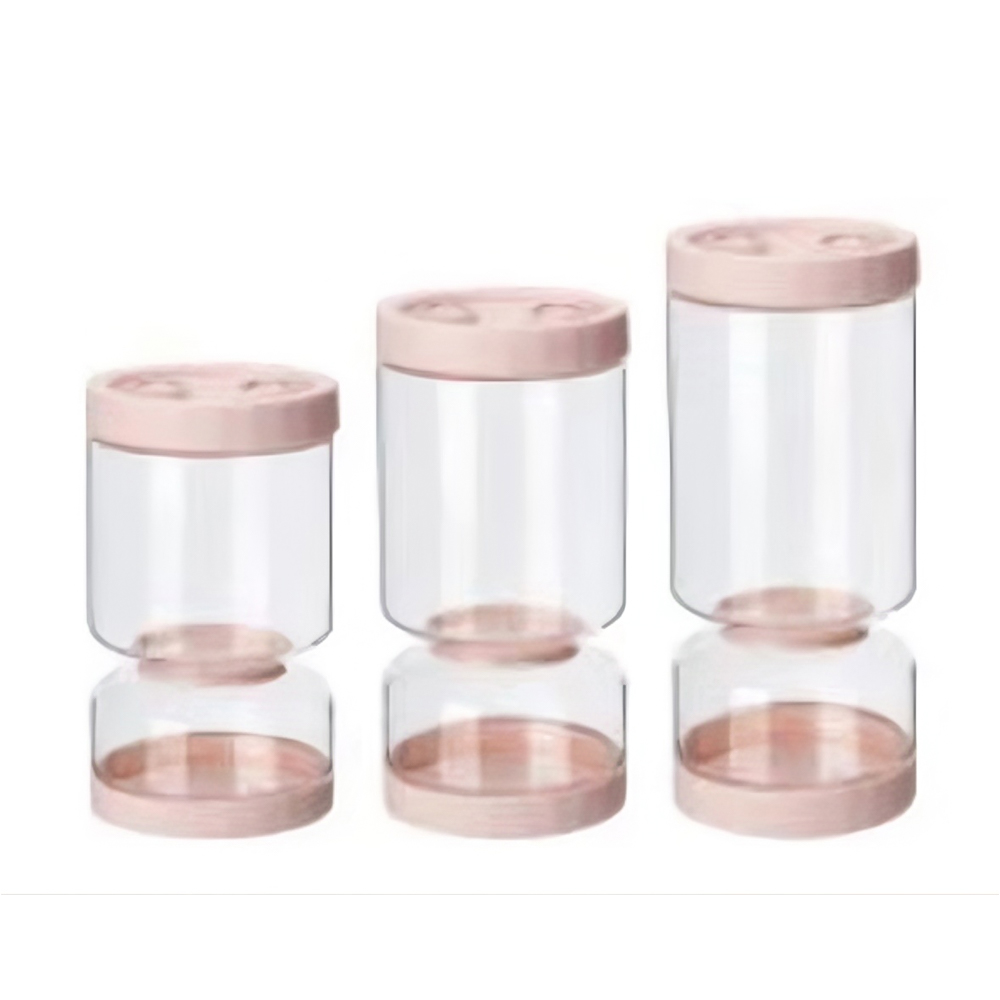
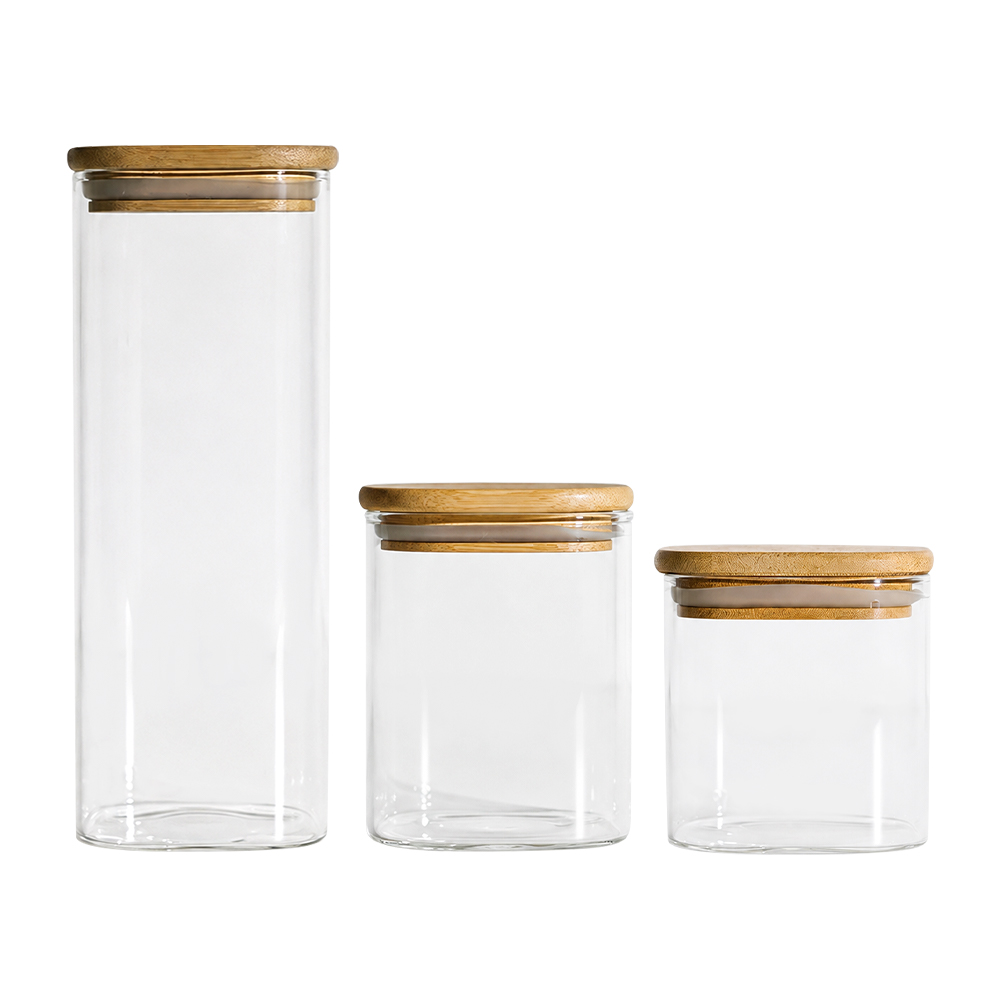
Wenn Sie Gewürze in großen Mengen kaufen, füllen Sie sie in einzelne Behälter mit festem Deckel, anstatt sie in Papiertüten aufzubewahren. A Gewürzdosen-Set aus Glas Hält jedes Gewürz sichtbar, beschriftet und versiegelt, sodass das Salz trocken bleibt und der Pfeffer wochenlang seine Wirkung behält.
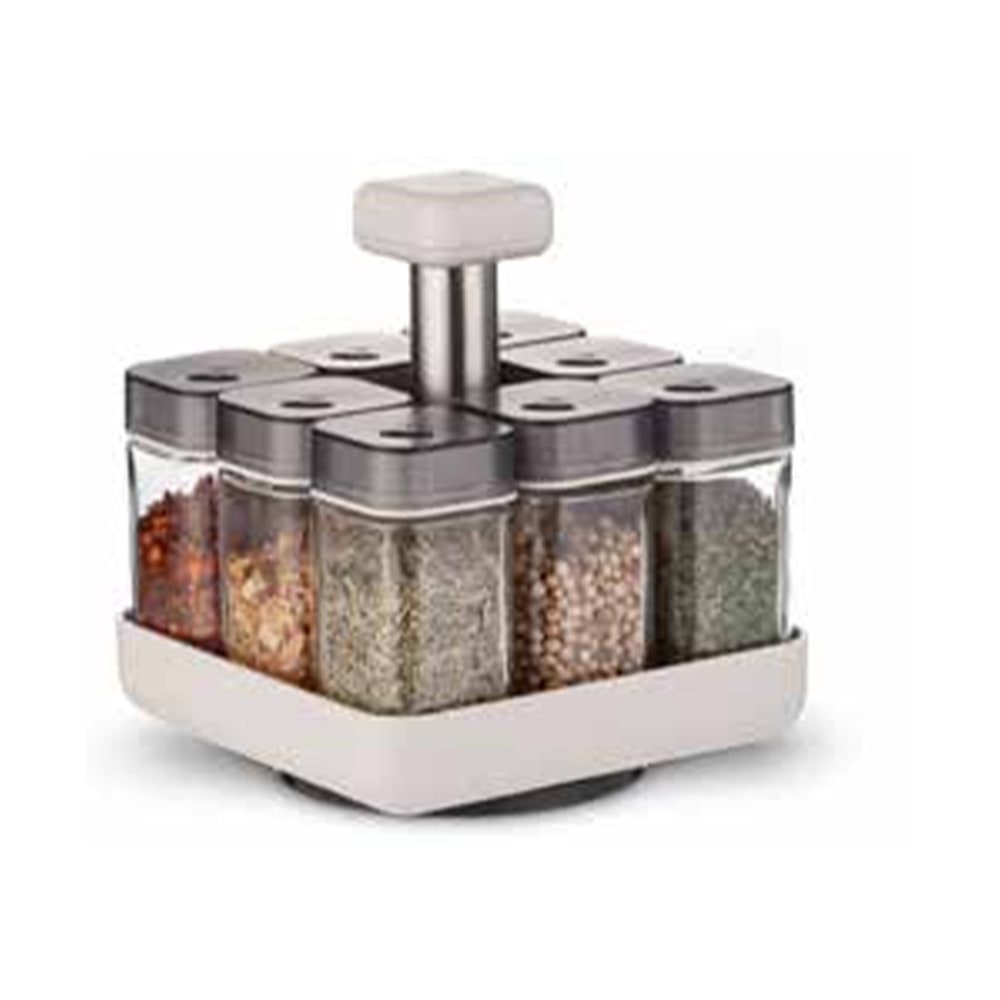 Kundenspezifische Glas-Gewürzglas-Sets Lieferanten, OEM/ODM-Unternehmen – Yangzhou New Coordinate Yangzhou New Coordinate Household Articles Co., Ltd ist ein chinesischer OEM/ODM-Lieferant für Glas-Gewürzglas-Sets und ein Unternehmen für kundenspezifische Glas-Gewürzglas-Sets ... Produkt anzeigen →
 Unabhängig davon, ob Sie ein Set für Ihre Küche kaufen oder Hunderte für den Einzelhandel beschaffen, gilt die gleiche Checkliste. Beginnen Sie mit der Kappe: Wie viele Löcher, welchen Durchmesser und kann sie zum Nachfüllen entfernt werden? Überprüfen Sie anschließend die Dichtung zwischen Kappe und Glaskörper. Eine lose Kappe lässt Feuchtigkeit eindringen und schickt Klumpen direkt in die Löcher.
| Material | Stärken | Am besten für |
|---|---|---|
| Körper aus Borosilikatglas | Beständig gegen Temperaturschocks, klar, spülmaschinenfest, geruchsfrei | Täglicher Gebrauch und wiederholtes Waschen |
| Korpus aus Kalk-Natron-Glas | Niedriger cost, sturdy, widely available | Budgetfreundliche Tischsets |
| Kappe aus Edelstahl | Rostfrei, langlebig, leicht abwaschbar | Feuchte Küchen und gewerbliche Nutzung |
Die cap pattern can also be customized. If you are sourcing for a brand, you can specify a single-hole salt cap, a five-hole pepper cap, engraved letters, or a completely unmarked set. Our Gewürzstreuer aus Glas sind ein praktischer Ausgangspunkt: klare Borosilikatkörper, Edelstahlkappen und Lochmuster, die für normales Speisesalz und vorgemahlenen Pfeffer geeignet sind.
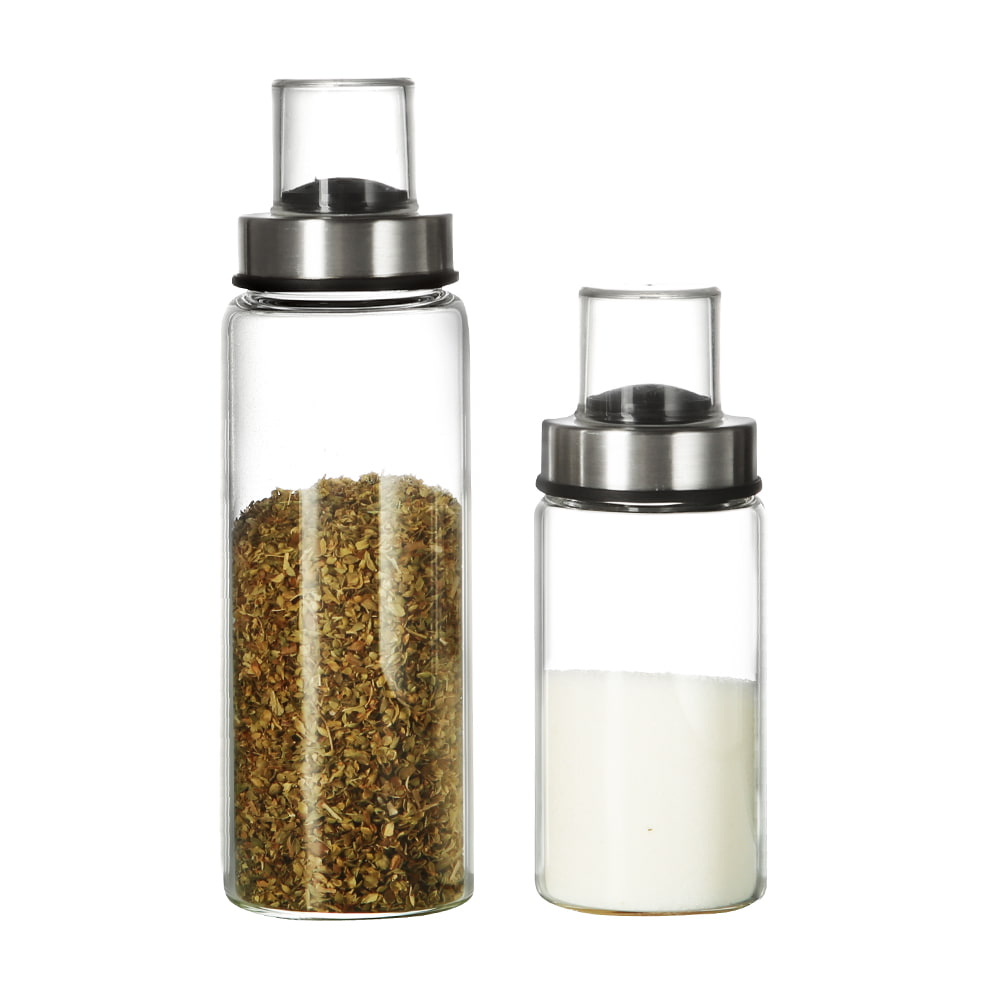 Kundenspezifische Glas-Gewürzstreuer Lieferanten, OEM/ODM-Unternehmen – Yangzhou New Coordin Yangzhou New Coordinate Household Articles Co., Ltd ist ein chinesischer OEM/ODM-Lieferant von Glas-Gewürzstreuern und kundenspezifischen Glas-Gewürzstreuern ... Produkt anzeigen →
 Eine vollständige Anleitung dazu, was Sie bei der Bestellung von Gewürzbehältern beachten sollten, finden Sie in unserem umfassender Leitfaden für Gewürzgläser . Es geht um Kappentypen, Glasdicke, Dichtungsleistung und die Fehler, die Käufer bei der Aussage „wasserdicht“ gegenüber „luftdicht“ machen. Wenn Sie eine bestimmte Lochanzahl oder eine individuelle Gravur benötigen, Kontaktieren Sie unser Team mit Ihrer Zeichnung und Zielmenge.
Bei herkömmlichen nordamerikanischen Sets hat der Pfefferstreuer mehr Löcher: typischerweise 3 bis 5, verglichen mit 1 oder 2 für Salz. Bei vielen europäischen Sets ist das Muster umgekehrt. Überprüfen Sie daher vor der Annahme, ob die Buchstaben S und P vorhanden sind.
Gemahlener Pfeffer ist gröber, leichter und unregelmäßiger als Salz. Die Partikel bilden Brücken über kleine Öffnungen und stoppen die Strömung. Mehr Löcher geben dem Pfeffer mehr Entweichungswege und sorgen so für eine gleichmäßige Streuung. Salz ist fein und schwer und fließt daher ohne Hilfe durch ein einziges kleines Loch.
Ein Salzdeckel mit drei Löchern bedeutet normalerweise eines von drei Dingen: Sie verwenden grobes Salz, das eine größere Öffnung benötigt, das Set wurde in der europäischen Tradition hergestellt, bei der das Salz mehr Löcher hat, oder das Set verwendet identische Deckel für beide Streuer. Suchen Sie zur Bestätigung nach eingravierten Buchstaben.
Es kommt auf das Salz an. Feines Speisesalz funktioniert am besten mit 1 bis 2 Löchern. Grobes Meersalz und Flockensalz benötigen drei oder mehr Löcher oder eine weit geöffnete Löffeloberseite, damit die größeren Kristalle nicht verklemmen. Wenn Sie die Natriumaufnahme reduzieren möchten, wählen Sie die kleinere Lochzahl.
Ja, aber reinigen und trocknen Sie es gründlich, bevor Sie es wechseln. Passen Sie dann die Anzahl der Löcher an die feinere Zutat an. Wenn Sie von Speisesalz auf vorgemahlenen Pfeffer umsteigen, eignet sich für beides ein Deckel mit zwei Löchern. Wenn Sie auf grob gemahlenen Pfeffer umsteigen, benötigen Sie eine größere Öffnung.
Berücksichtigen Sie zunächst die Anzahl der Löcher: Auf einem amerikanischen Set bedeuten weniger Löcher Salz. Wenn beide Deckel identisch sind, vergleichen Sie das Gewicht der gefüllten Streuer; Salz ist dichter und fühlt sich schwerer an. Wenn Sie sich immer noch nicht sicher sind, probieren Sie zur Bestätigung ein kleines Körnchen vom Rand.
Empfohlene Produkte
DX250417015